Your reading clarity and field of clarity changes with different powers of reading glasses. Also, the same power does have different focus effects and a different clear focus ranges depending on your age. Basically the focus range gets smaller as your eyes age. This is effect is often misunderstood. Read on to understand reading clarity better.

Understanding prescription or magnifying reading lens Powers:
The power of reading glasses, measured in diopters (D or dpt), indicates the lens’s ability to converge light to form a clearly focused image. For example, +1.00 D lenses can help focus objects that are 1 meter away, making reading clearer for people with presbyopia or other near-vision deficiencies. The exact range and degree of clarity a 1 D lens offer you, depends on your age.
- Near focus/focal Point of Vision: The focus/focal point is measured from your eyes to an object you need to see clearly. A stronger prescription (e.g., +3.00 D) allows for clear vision at a shorter distance compared to a weaker prescription (e.g., +1.00 D) which has a focus that if further away. This means that higher power glasses allow you to read text that is closer, while lower powered lenses require the text to be further away in order to see clearly.
- The exact range and degree of clarity a 1 D lens offer you, depends entirely on your age and your eyes focus predispositions.
 A focus point is not a focus range.
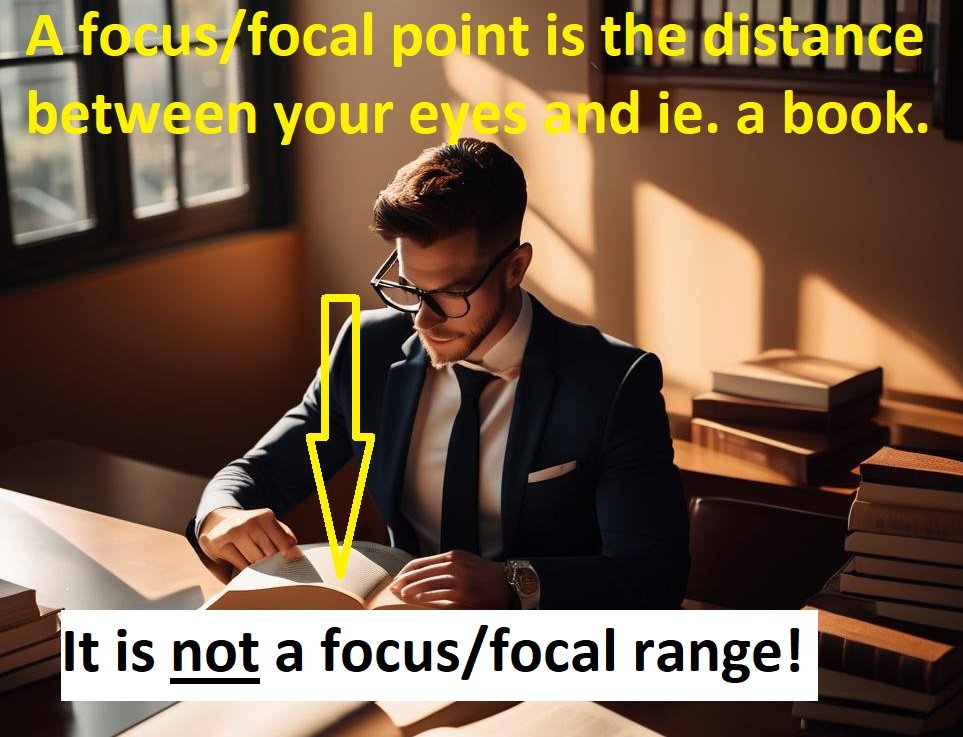 A focus point is not a focus range.
Depth of Field/clear reading range: Different lens powers also influence the depth of field, which is the range at within objects appear acceptably sharp. Stronger lenses have a shallower/shorter depth of field, meaning when an object is moved closer or further away from the eye it quickly becomes blurry. The exact range and degree of clarity a 1 D lens offer you, depends on your age.
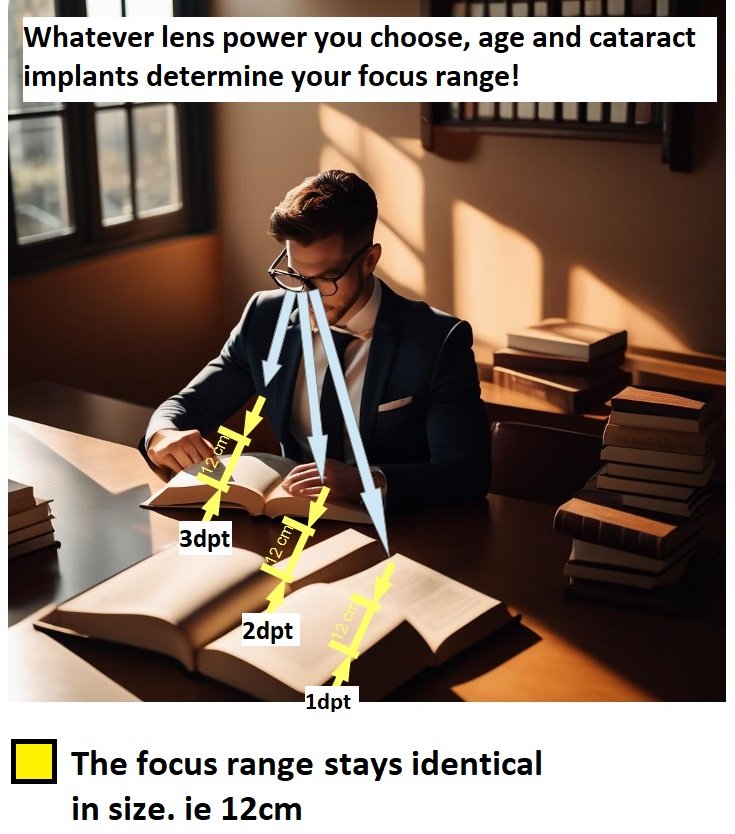
No matter which reading power you wear. The focus range does not change.
Eye Accommodation: In presbyopia, the eye’s ability to change shape (accommodate) diminishes as you age and becomes obvious around your forties. Reading glasses compensate for this change, helping the eye focus better on closer objects. The exact range and degree of clarity any lens power can offer you, depends on your age and your eyes focus predisposition.
- Reduced Accommodation/Reduced reading range: As people age presbyopia is becoming noticeable after the age of 40 , because the eye’s lens becomes less flexible. Up to the age of 48 to 55, the lens can still change shape to focus a little on close objects within a small, but flexible and automatic focus range. But in late-stage presbyopia, or when cataracts are replaced by plastic lens implants, the focus range is very small. Often less than 10cm in length. Consequently, the eye can not focus at various close distances any more. Wearing single vision reading glasses does not lengthen the focus range. For this you will need multifocus or 3D Reading lenses.
Study the below diagrams that illustrate how a clear vision range works in everyday situations.
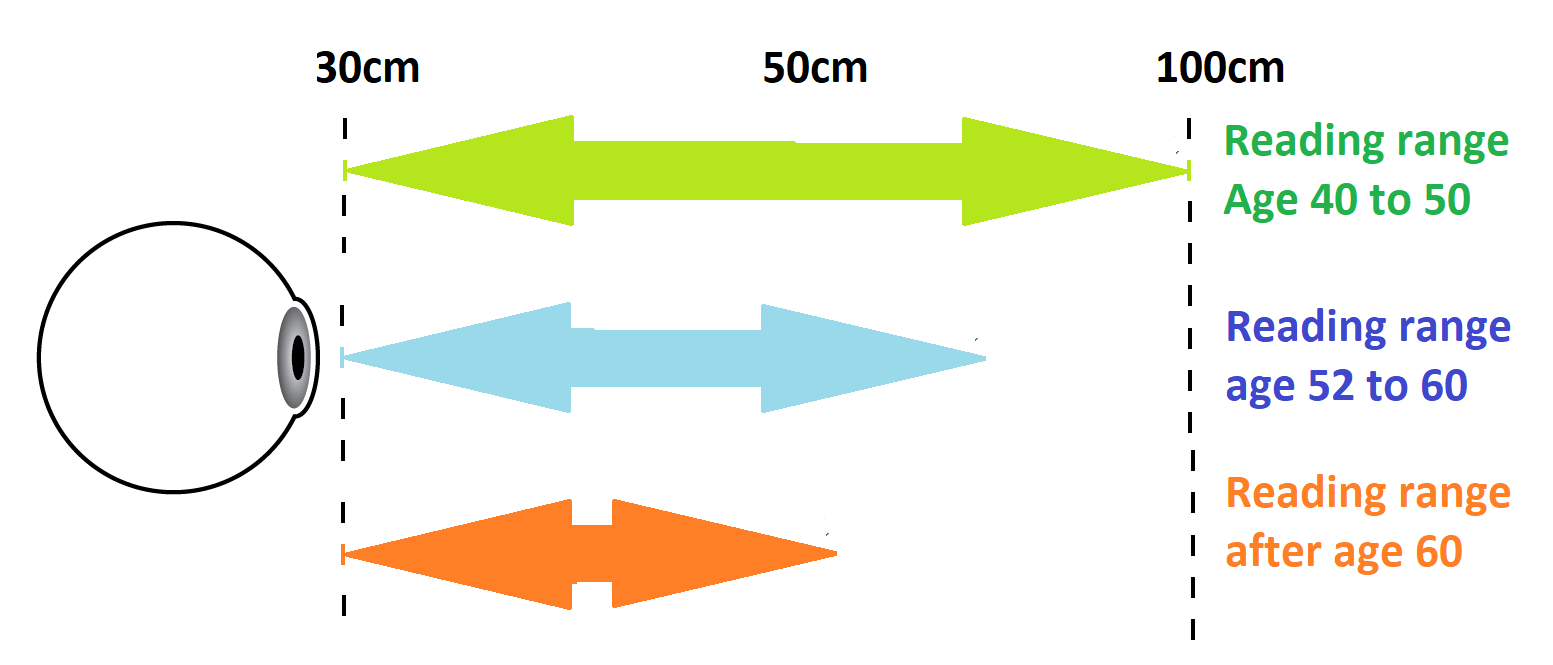
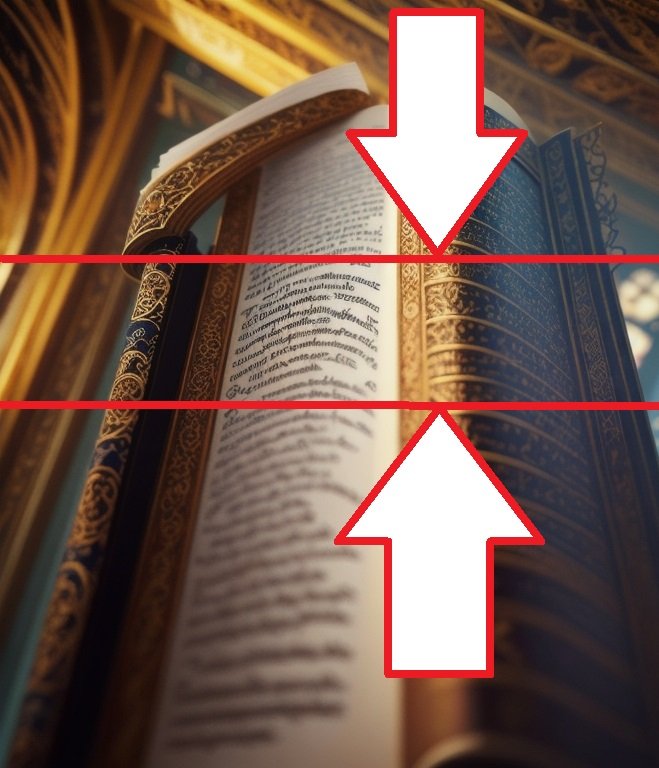 The clear reading range reduces significantly after the age of 60.
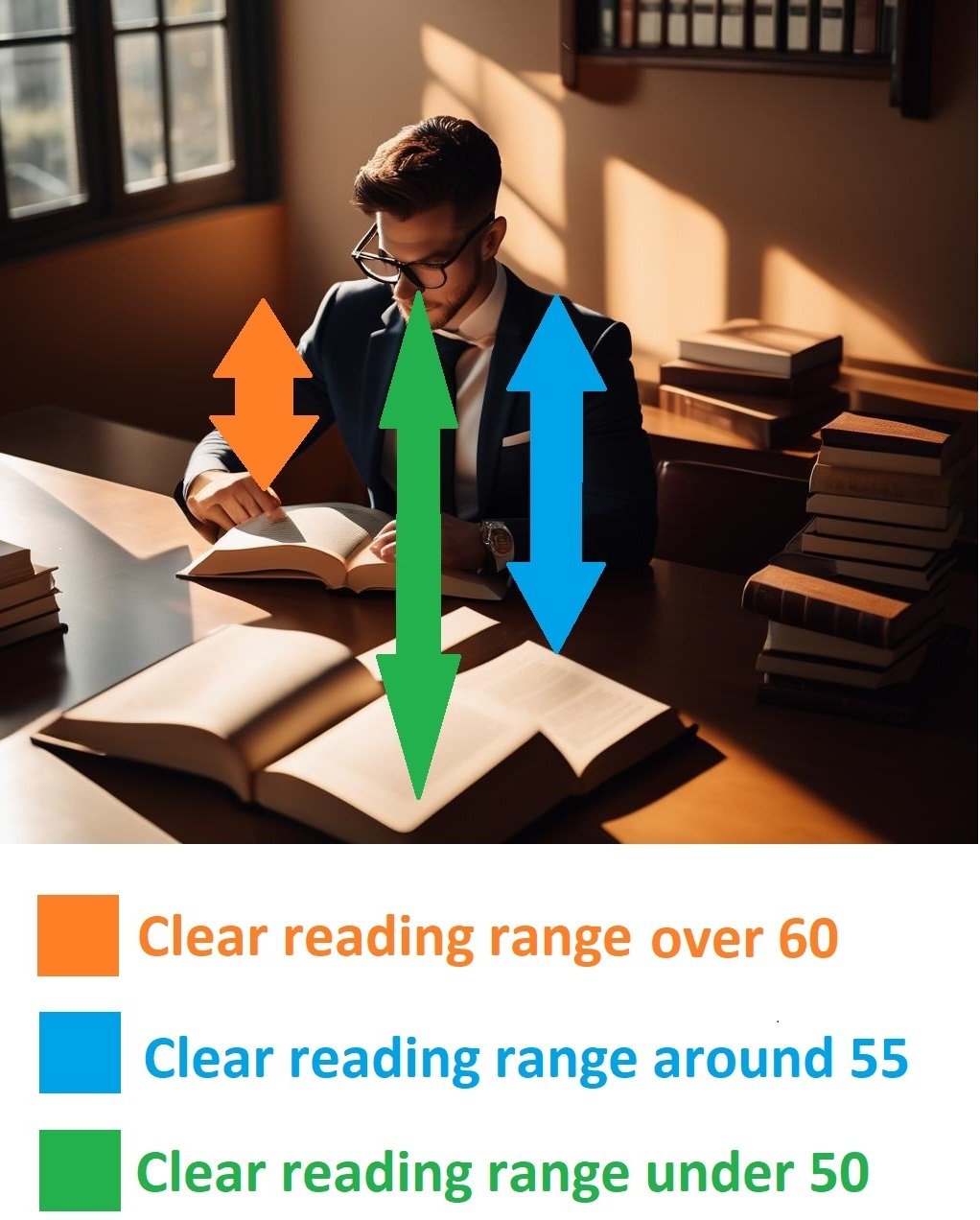
Your focus range depends on your age.
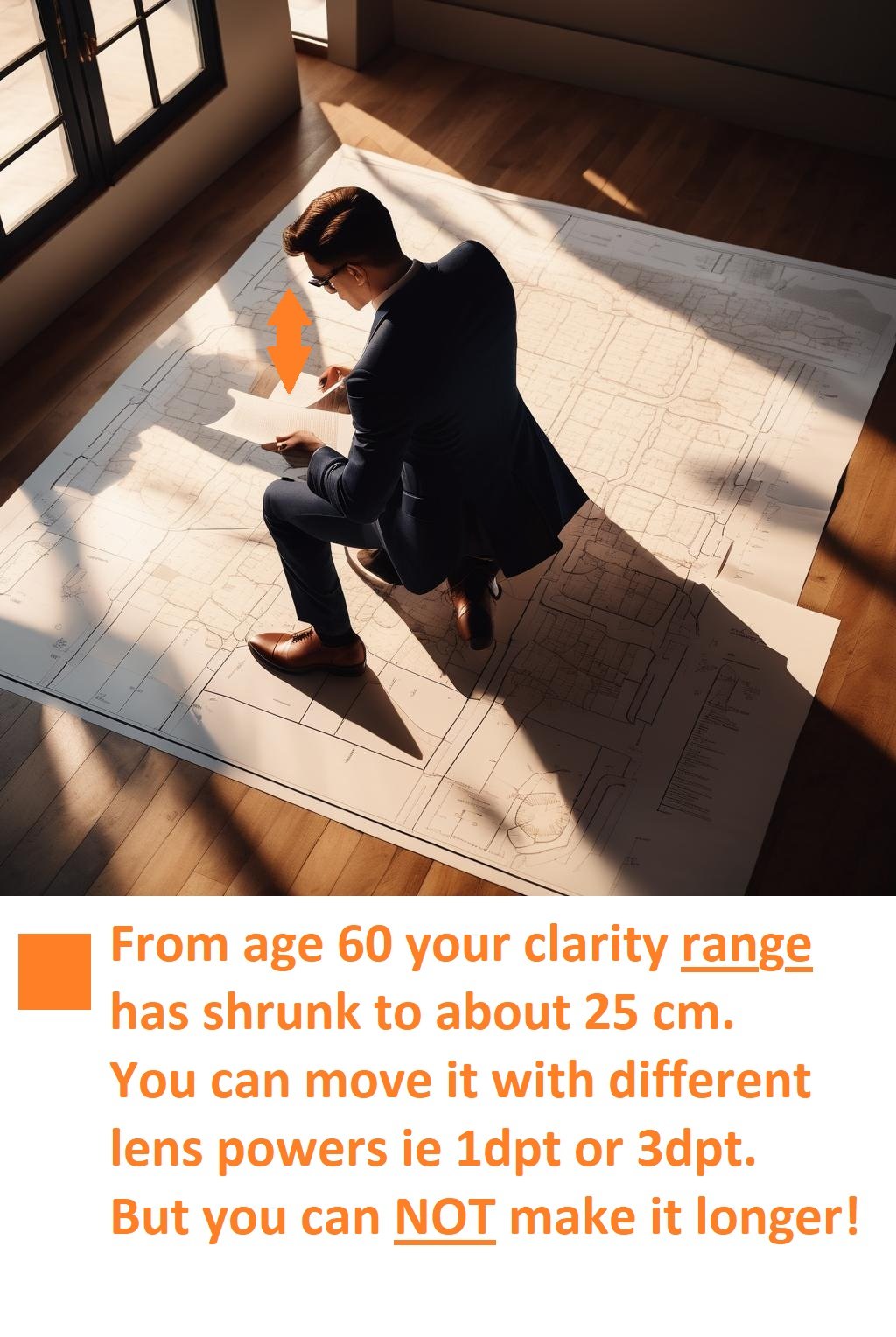
Over 60 your clarity range/clear focus range is less then 20cm and shrinking.
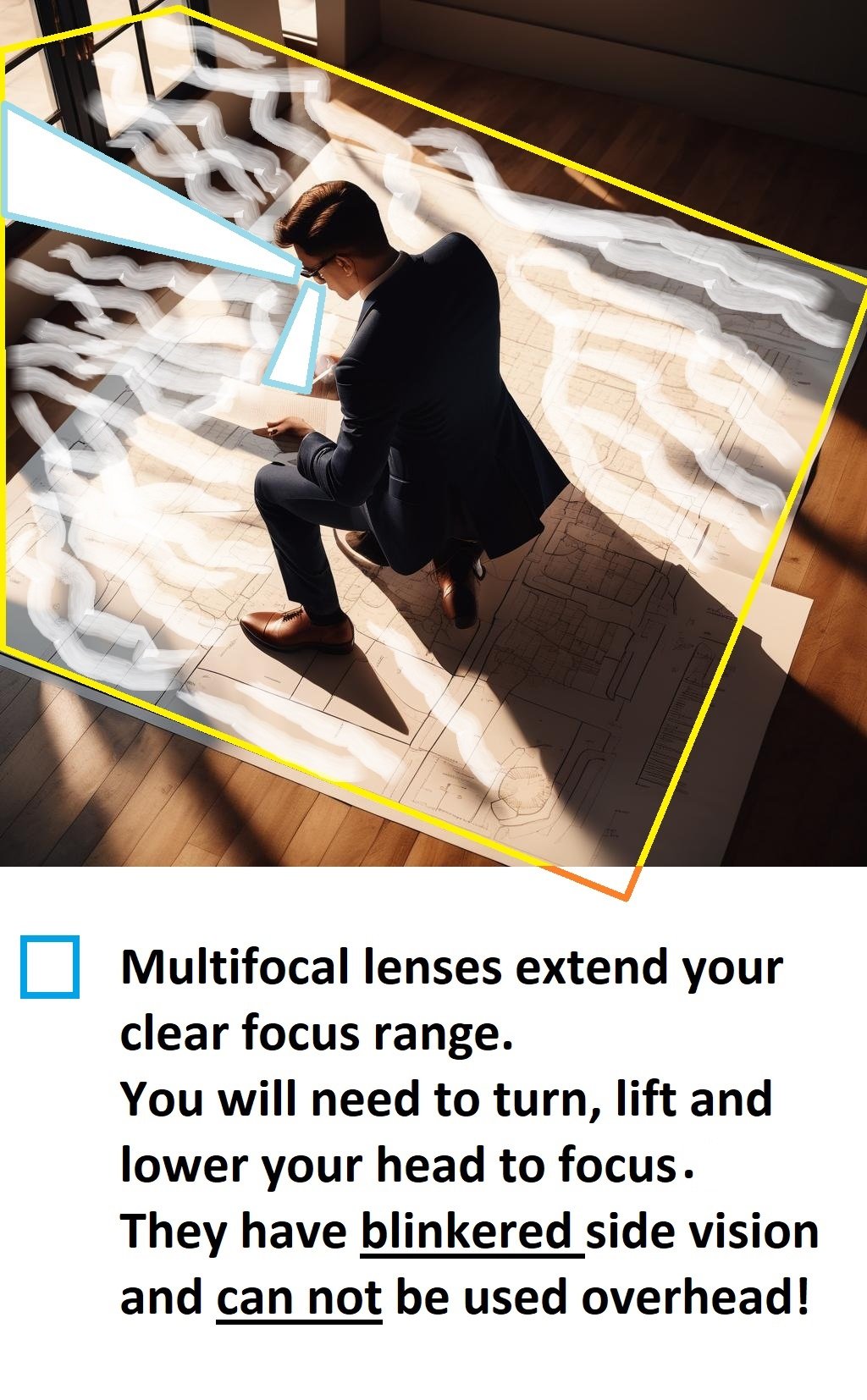
Multifocal lenses extend your vision range. But they blinker your vision and can give you vertigo sensations. When climbing ladders, your feet will be dangerously blurry.
They can also not be used to see object clearly which are located over your head.
Many of the multifocal short comings do not exist with
3D-Readers.
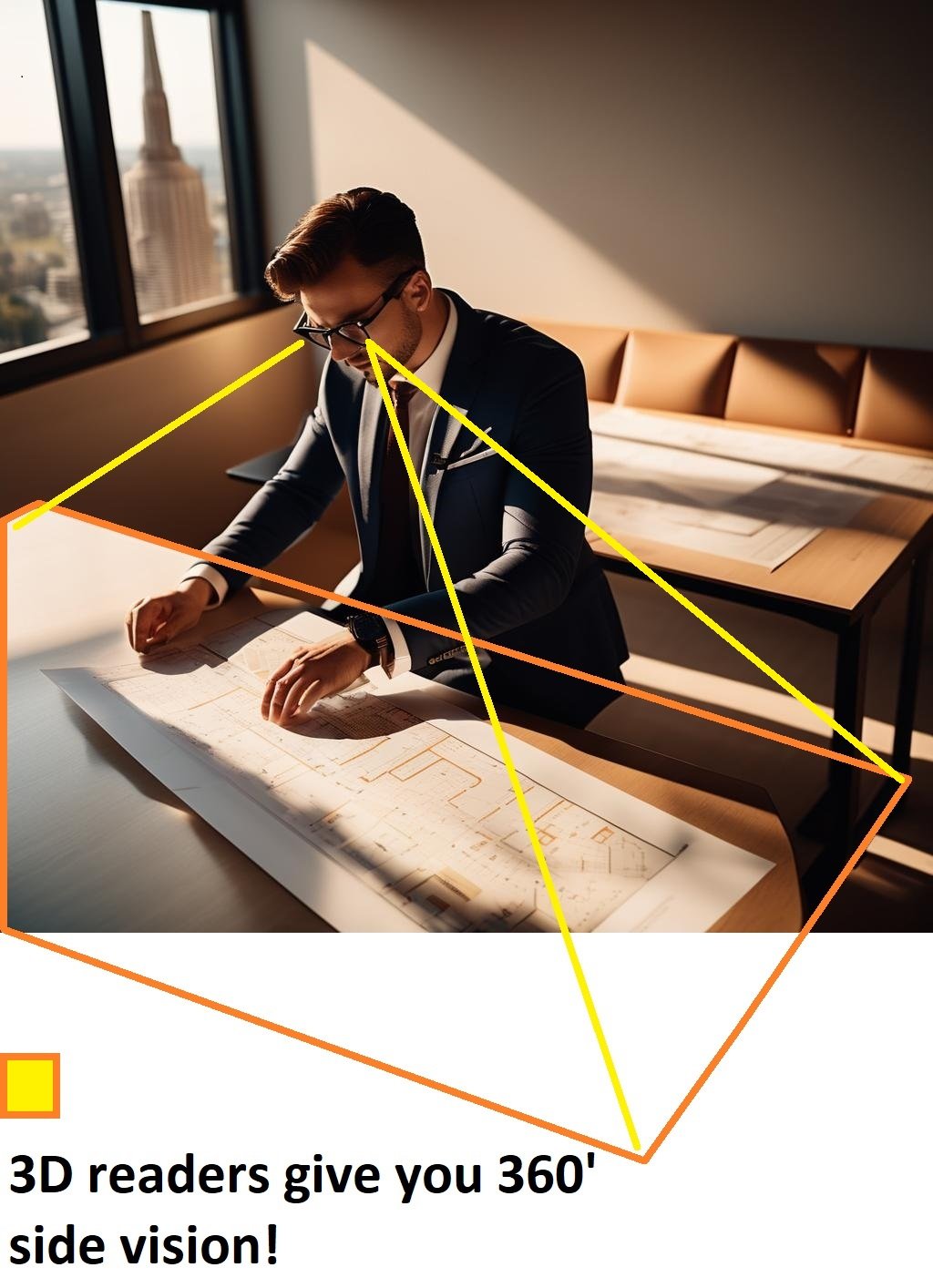
3D Readers give you uninterrupted vision!
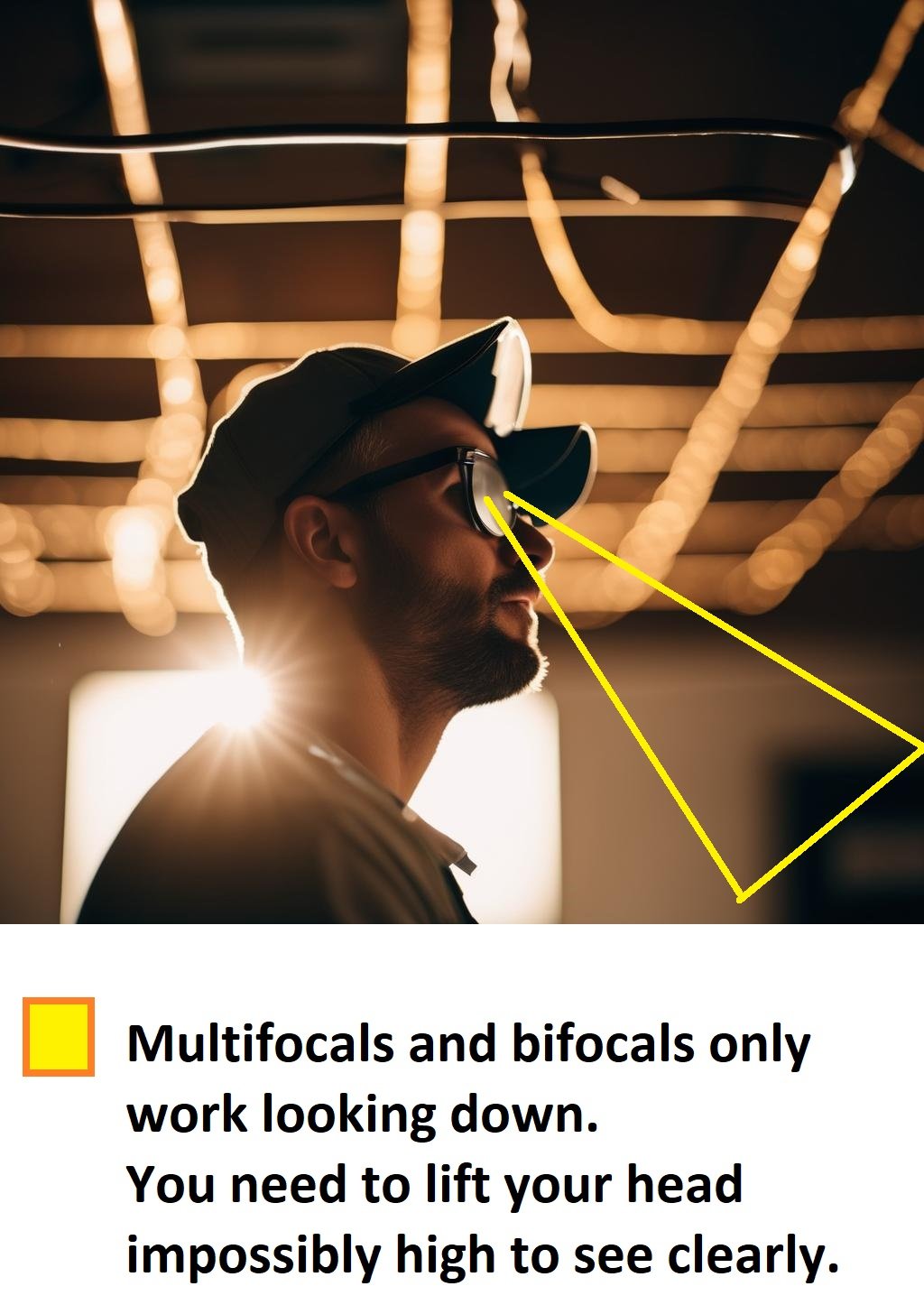
Multifocals only work when you can look straight or down at an object.
In order to see clearly you need to turn, lift and lower your head.
ie. Fixing a light on a ceiling is almost impossible and dangerous because your fee are blurred.
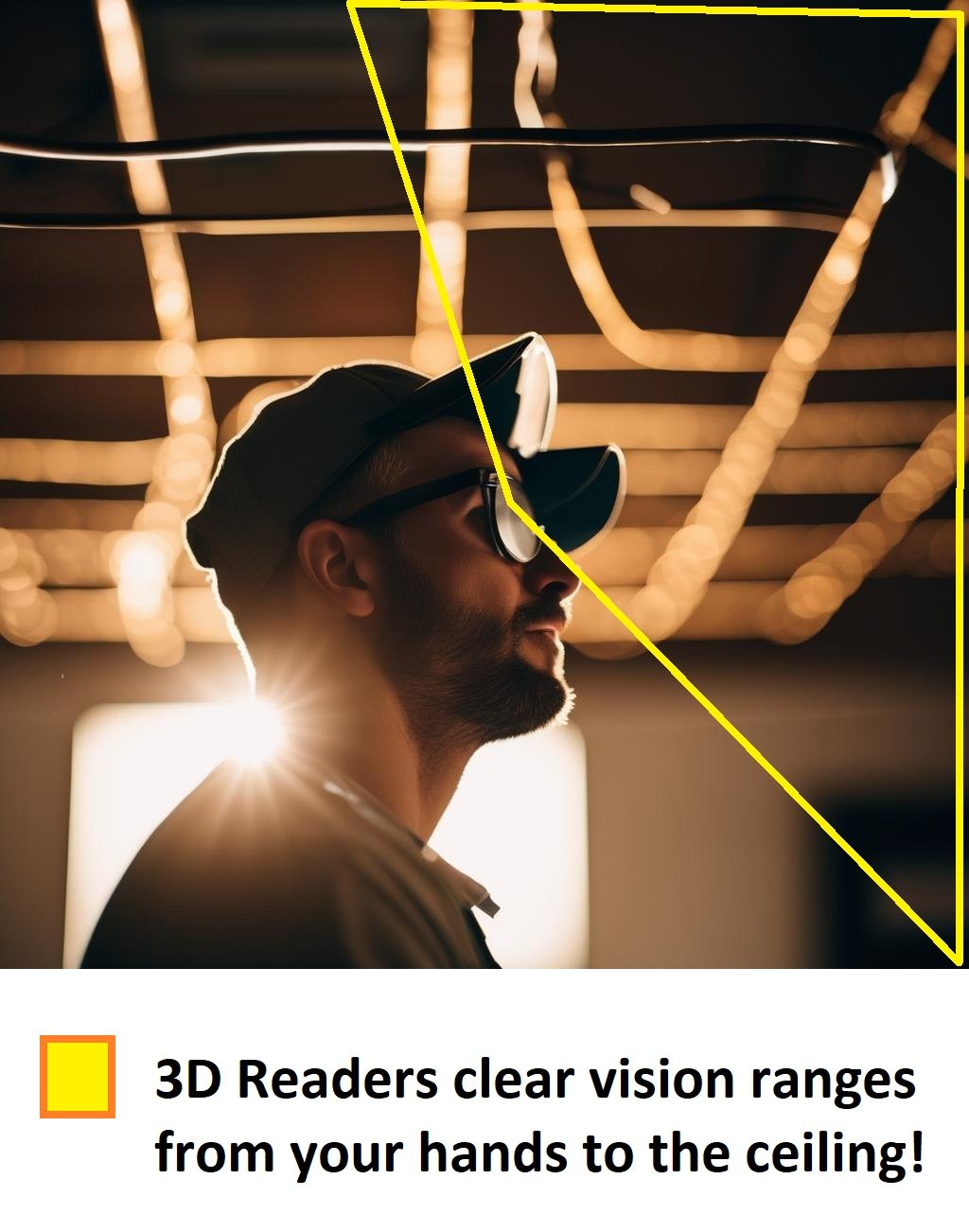
3D Readers give you uninterrupted clear vision. In the example above, you can see the ceiling, your hands and your feet clearly.
You can also walk and climb ladders safely with 3D Readers.
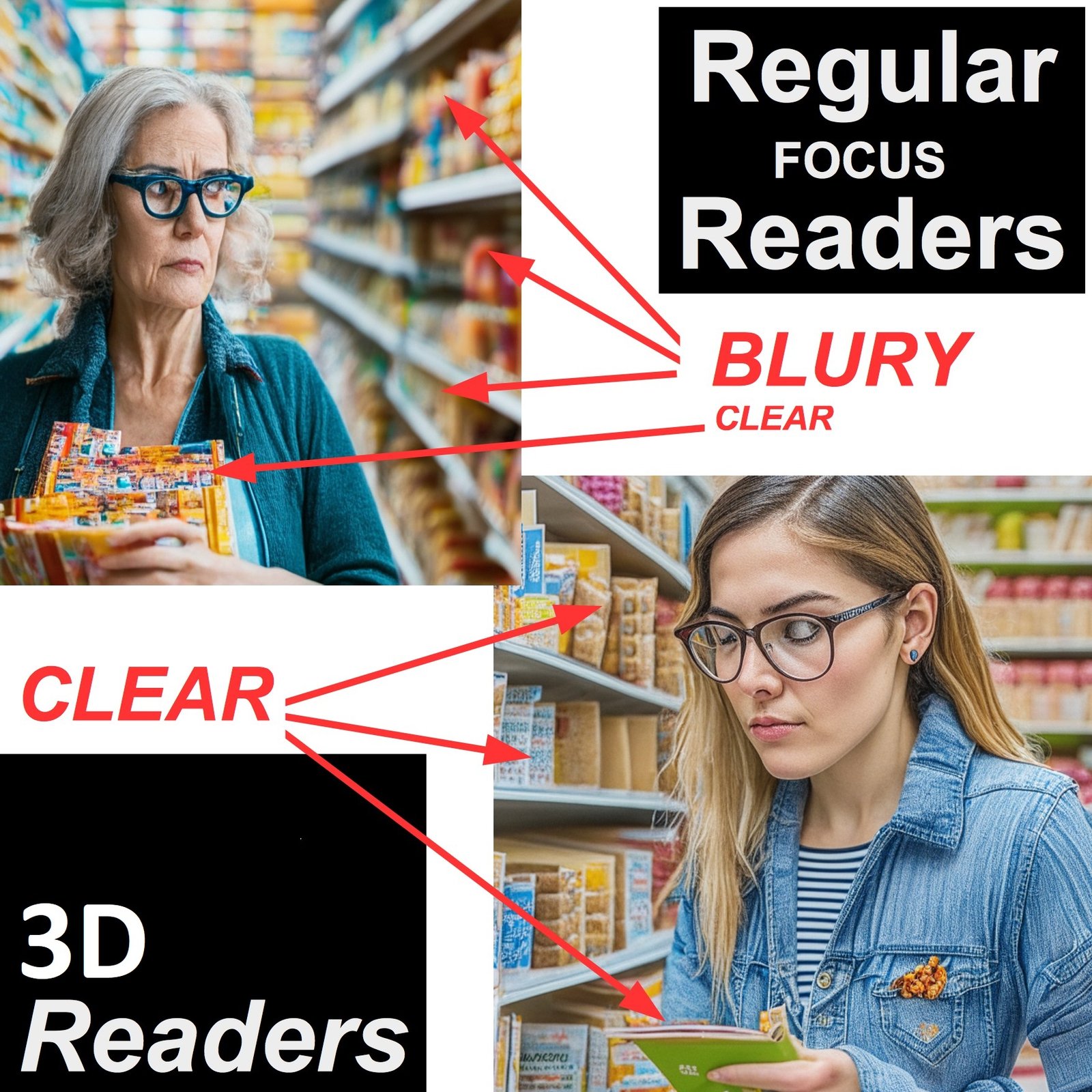
3D Readers are super in the office, kitchen, engineering workshop and for shopping!
| Check out 3d-readers.xyz for more info on a natural 3D optical alternative to magnifying multifocal reading glasses. |  |